







Energy-saving new technology - HeatMate phase change cold storage
2019-12-20
Phase change cooling, as the name suggests, is the use of phase change materials to store cold, which can be released when needed for use in daily life and industrial production.
Phase change cooling storage, as the name suggests, is the use of phase change materials to store cold, which can be released when needed for daily life and industrial production.
There are many places that require cooling, such as large data centers, computer rooms, equipment rooms, medium and large shopping malls, hotels, restaurants, banks, office buildings, sports venues, cinemas, cold storage, the pharmaceutical and beer industries, as well as our living spaces.

Phase change cooling technology allows refrigeration units to operate during the low electricity load period at night, storing the produced cold for use the next day, effectively separating the production and use of cold to achieve energy savings.
So why can this method save energy? Research and calculations by scientists indicate that the contribution of phase change cooling to energy savings is primarily reflected in its ability to 'shift peaks and fill valleys', balancing the load on the power grid.

Electricity, as a convenient, easily controlled, and convertible form of energy, is very popular among people.
However, the characteristic of electricity is that it is not easy to store; power generation, supply, and consumption must occur simultaneously, meaning that whatever electricity is generated must be consumed by users.

If too much electricity is generated while user consumption is low, it leads to significant waste and greatly impacts the safety and stability of power plants and the grid; conversely, if too little electricity is generated while user consumption is high, power rationing must be implemented. In reality, user electricity consumption is uneven.
For example, in a certain city, if 1000 kilowatts of electricity is needed during the day but only 500 kilowatts at night, the power company must provide a capacity of 1000 kilowatts, resulting in 50% of the capacity being wasted at night.

If the 'surplus' electricity at night is used for cooling storage, and then the stored cold is used during the day to reduce temperature, achieving the goal of not using or minimally using air conditioners, this can lower daytime electricity load, significantly saving on capacity, investment, and energy.
Additionally, because the surrounding environmental temperature is lower at night, the efficiency of the cooling units is higher than during the day, which can also save energy. Furthermore, reducing the capacity of power plants or building fewer power plants can decrease harmful emissions, greatly benefiting environmental quality.
In the early 1970s, industrialized countries began researching cooling storage technology, and it started to be used in the early 1980s. Now, cooling storage technology is widely applied as a peak-shaving method for electricity load in building cooling and industrial cooling.

HeatMate New Energy has developed nano-eutectic phase change energy storage (thermal/cold) materials with a temperature range of -100℃ to 1000℃, featuring precise temperature control, ultra-high energy density, cycle stability, and safety and environmental friendliness, suitable for large-scale energy-saving applications in cooling storage.

At the same time, HeatMate New Energy has developed a 'battery-like' cooling storage tank that can release stored cold in a controllable and high-quality manner with customized temperature and heat exchange efficiency, and can achieve different cooling storage capacities and heat exchange efficiency requirements through series and parallel connections of the cooling storage tanks.

End
HeatMate New Energy's phase change energy storage materials have successfully passed third-party tests for 7300 cycles of stability, corrosiveness, oral toxicity, skin irritation, and more.
HeatMate New Energy is a participating unit in national and industry standards such as 'Phase Change Energy Storage Heating Systems', 'Thermal Storage Electric Heating Devices', 'Phase Change Thermal Storage Devices', 'Clean Energy Heating Technical Regulations', 'Green Building Material Evaluation Standards - Energy Storage Devices for Buildings', 'Technical Guidelines for Industrial Low-Grade Waste Heat Central Heating Systems', and 'Testing Methods for the Lifespan of Inorganic Hydrated Salt Phase Change Materials', and has participated in the compilation of the 'Design Specifications for Electric Heating Boiler Rooms' in Xinjiang.

Customer service hotline:400-028-0889
Please scan the QR code to follow the HeatMate New Energy WeChat public account.
Palabras clave:
Noticias relacionadas
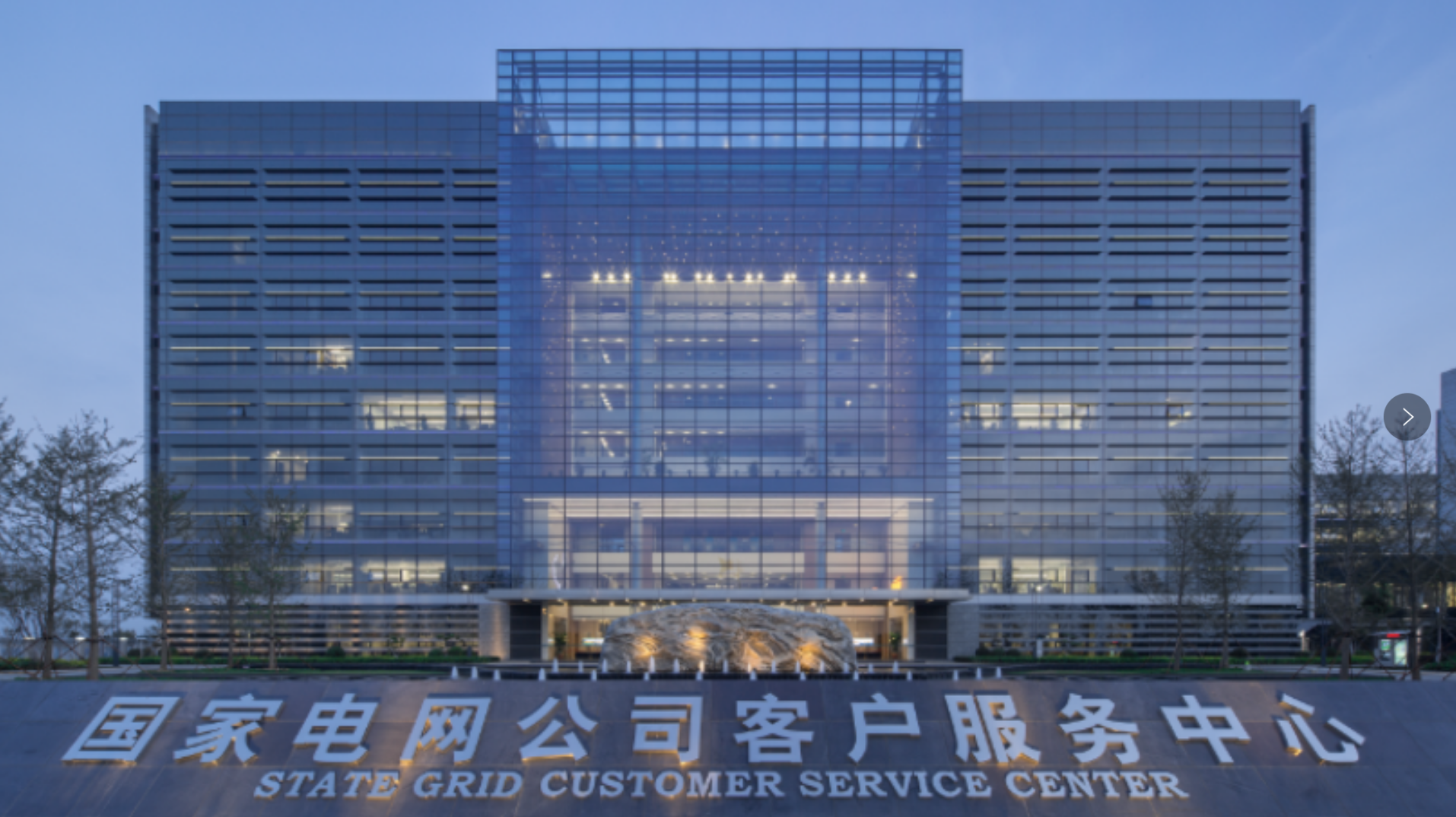
HeatMate New Energy will continue to focus on the development of efficient, stable, and safe phase change energy storage materials, equipment, and solutions, providing high-quality products and solutions for the energy storage and temperature control field.
2024-06-12
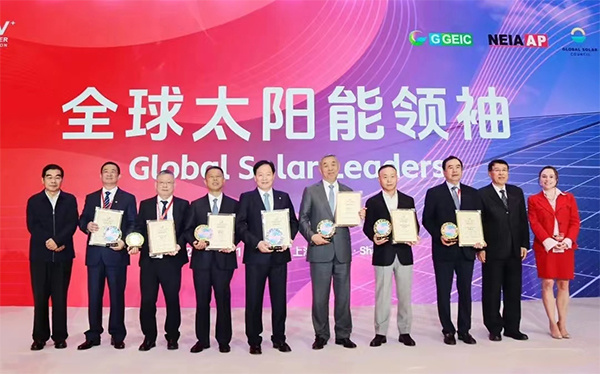
Academician Shi Zhengrong won the “Global Solar Leader" award!
On June 11, the 17th (2024) International Solar Photovoltaic and Smart Energy (Shanghai) Conference of SNEC PV opened grandly.
2024-05-22
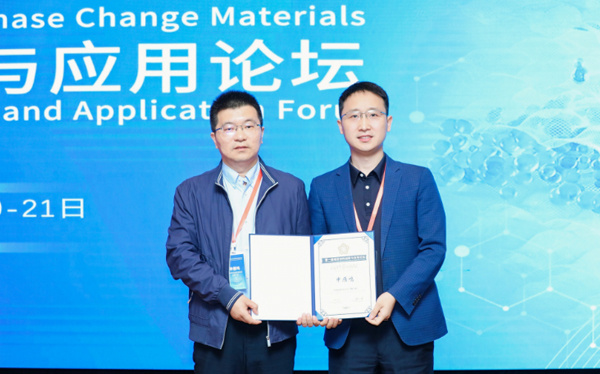
HeatMate New Energy debuted at the first phase change materials innovation and application forum
The first phase change materials innovation and application forum was held in Ningbo, breaking the boundaries between academia and industry, gathering elites from universities such as Peking University and Tsinghua University to share cutting-edge research achievements.
2024-05-22

Línea directa de servicio:

Shanghai (Sede)
398 Songying Road, Qingpu District, Shanghái
Correo electrónico


Mensaje en línea
Enlaces:Sunman Nueva Energía| CATL | State Grid | HeatMate New Energy Technology (Hong Kong) Co., Ltd.