







New energy cold chain vehicle cold storage plate/cold storage strip
2019-12-13
HeatMate Re Chi, daytime heating without electricity consumption, peak shaving and valley filling, waste heat recovery and utilization, supporting the 'Blue Sky Defense War'.
Peak shaving and valley filling, waste heat recovery and utilization, supporting the 'Blue Sky Defense War'
In recent years, as the pace of life continues to accelerate, the demand for frozen and refrigerated food has been increasing. However, it is evident that the current scale of cold chain transportation does not match this demand.
Additionally, due to people's pursuit of a high-quality life, various fresh food e-commerce platforms are emerging, and cold chain transportation, as the most important checkpoint for ensuring food freshness, has raised higher requirements for temperature control and duration during the transportation process.

At the same time, traditional fuel-powered refrigerated trucks rely on fuel for both driving power and refrigeration systems, which is not only detrimental to the environment but also incurs significant fuel costs, making operational and maintenance expenses quite staggering.
It is clear that the marketurgently needs a low-cost, high-efficiency cold chain transportation solution that aligns with energy conservation and emission reduction.

Observing the existing low-temperature logistics refrigeration methods at home and abroad, they can be mainly divided into two types based on energy supply: electric drive (refrigerated trucks) and energy storage (refrigerated boxes).
The current cold chain low-temperature distribution process mainly uses refrigeration units in refrigerated trucks or dry ice refrigeration methods. According to statistics, the fuel consumption of refrigerated truck refrigeration units is 2-4L per 100 kilometers, and exhaust emissions increase by over 30%. The use of dry ice refrigeration exceeds refrigerated truck-mounted refrigeration units in terms of long-term costs, environmental pollution, and safety.
Therefore, using phase change energy storage materials as a cooling source is the best choice for energy-saving in the cold chain.
However, the drawbacks of energy storage refrigerated boxes are also prominent. On one hand, the cooling time of dry ice is short, generally not exceeding 24 hours, which cannot guarantee the long-term safe delivery requirements for items like vaccines.
On the other hand, the temperature range of dry ice is too narrow, with ice pack cooling temperatures typically only between 2-8°C, making it difficult to meet lower temperature requirements.
HeatMate New Energy Technology (Shanghai) Co., Ltd. has perfectly solved this problem by combining the company's developed precise temperature control, ultra-high energy storage density, cyclic stability, and safe and environmentally friendly nano-crystal phase change energy storage materials with cold chain logistics to launchcold chain vehicle energy storage plates, achieving 'flexible, applicable, and economical' precise temperature control in cold chain transport vehicles.
Cold chain transport vehicles


Cold chain energy storage plates
These cold chain energy storage plates utilize the stored cooling capacity of the phase change material after freezing for refrigeration. Before transportation, the phase change material in the energy storage plate is 'charged', and during use, the phase change material absorbs a large amount of heat during the phase change process to maintain a constant temperature, continuously 'cooling' the insulated compartment.

HeatMate cold chain vehicle energy storage plates have the following advantages:
1. Precise temperature control
Traditional refrigerated transport vehicles frequently open doors for deliveries, causing the refrigeration unit's compressor to start and stop frequently, resulting in unstable temperatures in the insulated compartment, which is not conducive to precise temperature control. In contrast, the cold chain vehicle energy storage plate uses pre-stored cooling capacity for temperature control, keeping temperature fluctuations within a very small range.
2. Flexible use
The energy storage plates in cold chain vehicles are filled with safe, environmentally friendly, non-corrosive, and highly cyclic stable phase change materials developed by HeatMate New Energy, allowing for flexible low-temperature control by selecting materials with different phase change points according to varying temperature control requirements.
3. Low cost
The 'energy storage' of cold chain vehicle energy storage plates is cheaper than the fuel costs incurred by traditional refrigerated transport vehicle engines; during the 'cooling' process of the energy storage plates, the cooling unit does not operate, resulting in low failure rates, low maintenance costs, and a long service life,leading to lower overall transportation costs. The phase change energy storage materials developed by HeatMate New Energy have successfully passed third-party tests for 7300 cycles of stability,


Palabras clave:
Noticias relacionadas
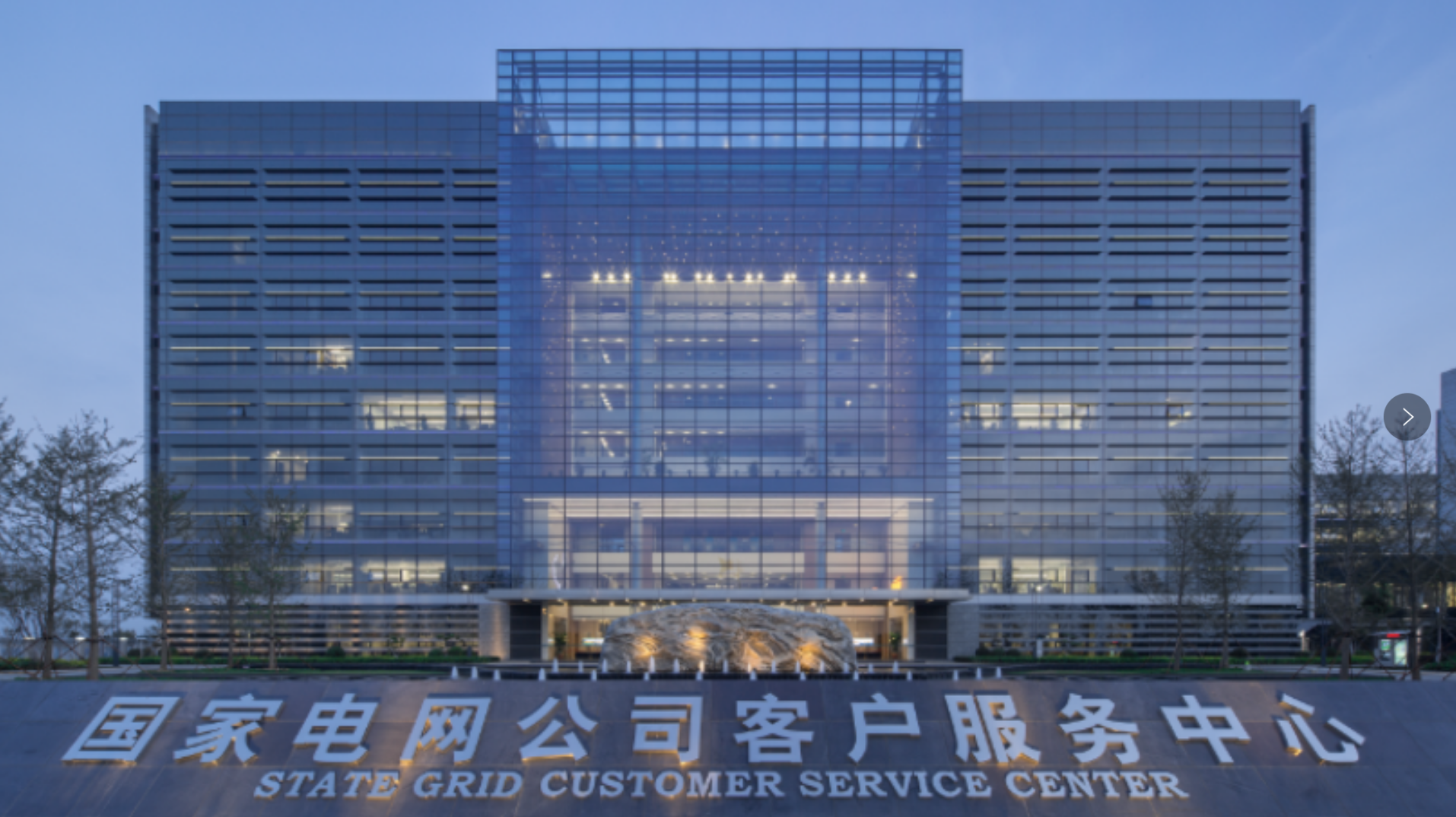
HeatMate New Energy will continue to focus on the development of efficient, stable, and safe phase change energy storage materials, equipment, and solutions, providing high-quality products and solutions for the energy storage and temperature control field.
2024-06-12
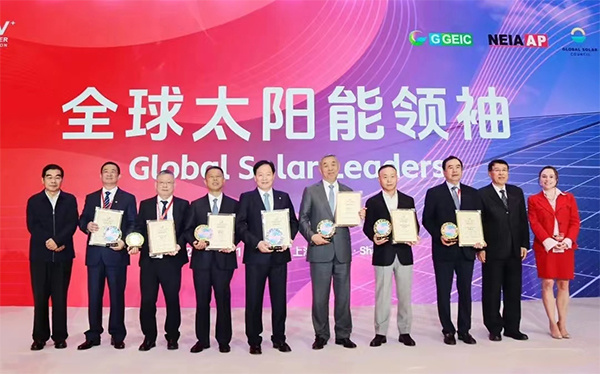
Academician Shi Zhengrong won the “Global Solar Leader" award!
On June 11, the 17th (2024) International Solar Photovoltaic and Smart Energy (Shanghai) Conference of SNEC PV opened grandly.
2024-05-22
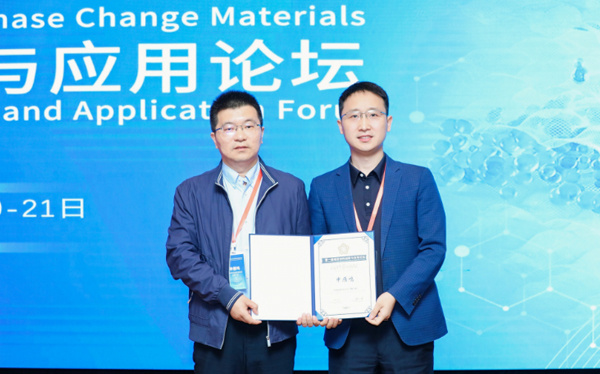
HeatMate New Energy debuted at the first phase change materials innovation and application forum
The first phase change materials innovation and application forum was held in Ningbo, breaking the boundaries between academia and industry, gathering elites from universities such as Peking University and Tsinghua University to share cutting-edge research achievements.
2024-05-22

Línea directa de servicio:

Shanghai (Sede)
398 Songying Road, Qingpu District, Shanghái
Correo electrónico


Mensaje en línea
Enlaces:Sunman Nueva Energía| CATL | State Grid | HeatMate New Energy Technology (Hong Kong) Co., Ltd.